
Dubbing and voice acting represent artistic yet very competitive areas where you can create characters, narratives, and emotions solely with the voice. Every single character within an animation, every character within a video game, every commercial, and every audiobook relies on a voice actor. Building a voice actor career takes much more effort than just having a great vocal range. In addition to good vocal quality, you need technique, dedication, and constant practice in order to develop yourself into the voice actor you want to be.
What is Voice Acting Really
Many beginners think of voice acting as just speaking text aloud. Voice acting in itself is a performance art and a voice actor has to convey emotion, personality, and meaning with the voice and without the use of visual acting. All the pauses, tones and changes in volume have to count for something. The voice actor has to be able to adapt their voice to suit various characters. One minute the voice actor can be speaking with the voice of an animated character and in the next second you can hear them in an advertisement or the lines for a movie scene. The ability to be flexible and adapt to a variety of genres is an essential skill a dub actor should have.
Develop Your Vocal Technique
You shouldn’t be trying to do advanced work before you have mastered your basic voice technique. Your voice technique covers breathing, diction, pitch, and emotive voice techniques. If these basics aren’t present, even the most gifted dub actors can struggle with delivering consistent, professional performances. Daily vocal warm-ups can strengthen and improve your vocal tone. Reading out loud, reciting tongue twisters and varying your pitch are easy ways to improve vocal tone quality. If you practice these daily, you will improve and get more confidence and stability in your voice.
Mastering the Dubbing and Timing
Dubbing is slightly more complex than the voice over genre. A dub actor has to sync their voice with the onscreen action, which means there has to be timing involved. The dub actor has to keep in mind the character’s lip movements, facial expression and scene pacing. A good place to practice this technique is to find clips and then trying to match what you’re hearing to what you hear on screen, paying attention to timing, intonation, and emotion. Even slight deviations in time, speed, tone or inflection can have a negative effect on your recording. As you progress, you will get more used to adapting your voice for each character, genre or style (animation, live action, etc.).
Setting up Your Recording Studio
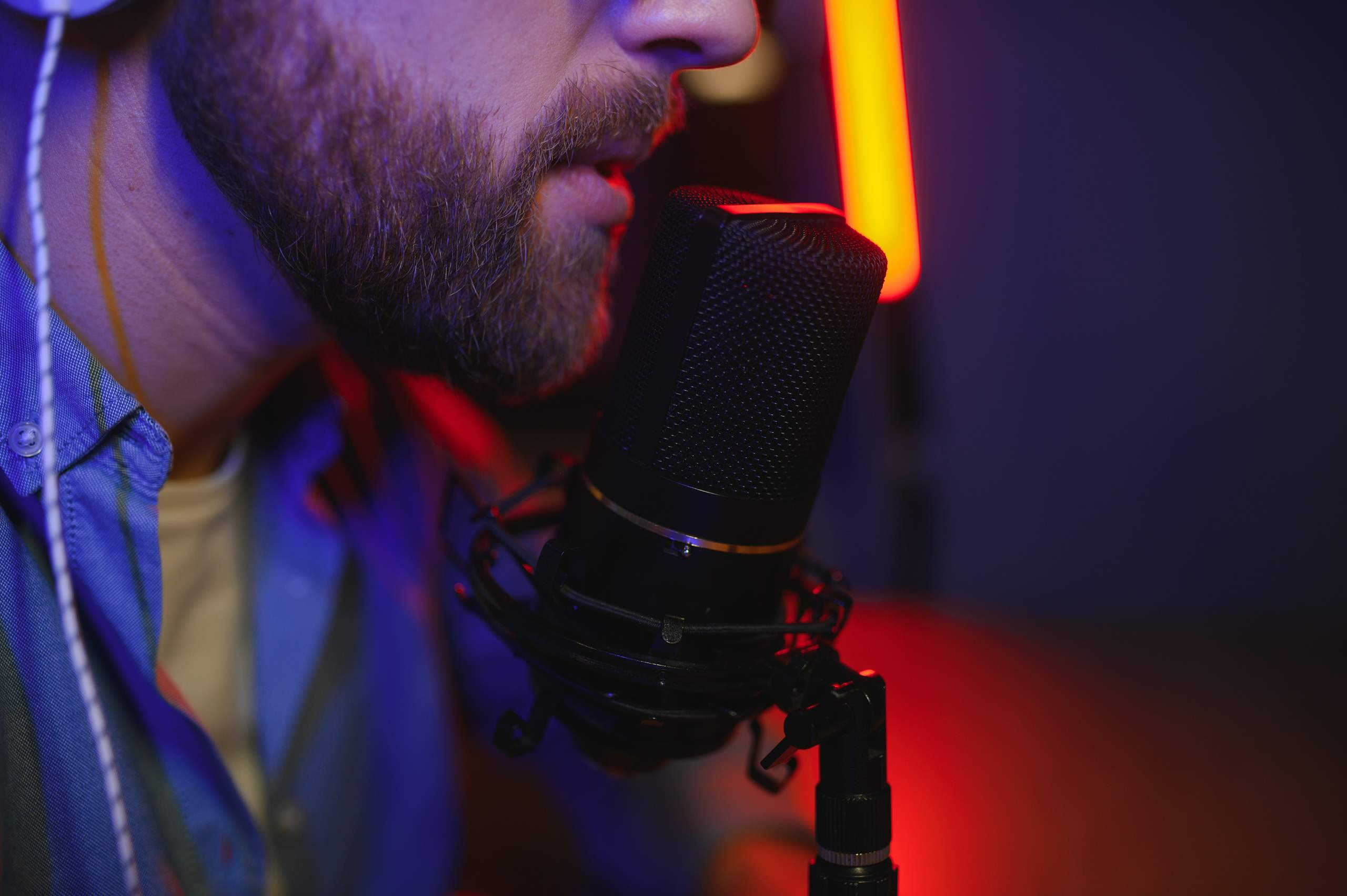
Dub actors and voice actors record nowadays in their home studio or a mini studio. It doesn’t really matter what kind of gear you start with, but you need to know how to use a microphone properly. Learn proper mic technique, which includes maintaining your distance, avoiding popping sounds and being conscious of background noise. Also learning basic audio editing is helpful to be able to edit your recordings and make sure the final result is more professional. The better your recordings sound, the more impressive your performances will be. Especially at the very early stages of building your voice actor career, a professional sound will set you apart.
Work on Your Emotion and Acting Ability
Voice actors shouldn’t be known as a single voice, rather as performers who are able to deliver multiple characters. It takes emotional knowledge and experimentation to achieve a character portrayal. Try to practice different acting, such as energetic, chill, angry or emotion. Notice how these changes impact your voice. A good voice actor doesn’t try to sound like another voice actor, but finds a way to expand their own vocal range, acting style or performance abilities. You will learn to modify your vocal performance more effectively to meet any character you will encounter in any type of project you might get.
Understanding the Voice Acting Industry
Voice actors, besides having a good understanding and technical skills, should be also aware of the voice acting industry itself. In order to be cast or booked, voice actors will need to rely on auditioning, casting or referrals. The best way to start your career as a professional voice actor is to build your demo reel. It will display your best performances and your widest vocal range in one. It is the most effective way a casting director can get a feel for your talent, so make sure it is of the highest quality possible. Additionally, networking is extremely important when you are just starting out. Find other voice actors who can be mentors, join online forums and groups and participate in small scale projects to grow your professional voice acting career.
Dealing with The Common Problems New Comers Face
It can be very tough to start a voice acting or dubbing career. Often beginners will find that confidence can be hard to come by, it may be tough to be consistent when getting started and finding a voice over job can be very competitive. Improvement is a long, continuous process. Getting rejected can feel like a setback but it’s an everyday thing that happens to even experienced dub actors as they go to auditions and get booked for voice actor jobs that are not meant for them. Just keep moving forward and keep learning. Focusing on the little things you need to improve each day will slowly make you more confident and proficient.
Wrapping Up
Getting your feet wet and starting your professional voice actor career can be tough if you are only relying on having a good sounding voice. However, with technical voice technique, a good understanding of the dubbing process, proper home recording equipment and industry knowledge, it will be easy to create a strong professional career as a voice actor. It all comes down to regular dedication, practice and hard work. With your dedication you will turn your voice into a powerful voice acting tool and gain success in the voice over or dubbing industry, be it as a voice actor for animation or video games, voice over or dubbing commercials.