
Voice acting is not a skill you master in a day. It is a skill you earn through consistent practice, self-awareness, and a constant desire to refine your craft. Whether you are new to the field or looking to polish your existing talents, enhancing your abilities is crucial if you want to break into professional film, animation, or game dubbing. The secret isn’t just having a pleasant voice, but knowing precisely how to wield it for various purposes.
Achieving Vocal Control
Control lies at the heart of effective voice acting. It is your capacity to manipulate your voice’s volume, pitch, rhythm, and tone based on the needs of the specific character or moment. Even if you have an impressive voice, without that control, it can easily come off sounding muddled or erratic.
Improving control requires a regimen of daily vocal workouts. Simple exercises, like reciting lines with different inflections or practicing varying your speed and volume, will make your voice stronger and more malleable for the demands of your performance.
Emotion and Delivery
In the world of voice acting, it is not sufficient that you sound right; it is necessary that you make others believe you. Viewers must believe you are saying the lines you say, and they should feel the character’s pain or joy through your voice alone.
To hone in on emotional expression, you should regularly practice scenes with different emotional states: joy, rage, sorrow, and terror. You don’t want to overact it; it just needs to feel genuine. You should strive to be authentic to the character. Slight changes to your tone can have a massive impact.
Enhance Timing and Flow
Timing is extremely important when it comes to dubbing. You will have to be able to match the rhythm of the dialogue, especially when dubbing to a pre-recorded clip. Even if you are a great actor, a poor choice in your pace can ruin the performance.
A useful way to practice timing is to take short clips from your favorite movies, and then try to re-do their dialogue in time with the clip. You should pay attention to the breaks, pauses, speed of dialogue, and breathing time. Once you develop a feel for this, you’ll know when you’re ready to start working in professional dubbing work.
Focus on Voice Characterizations
In the industry today, you need to be able to do different characterizations for various roles. This takes a lot of creativity and experimentation.
Experiment by taking one character you already know from another movie or game and changing the way your voice sounds, as though you were someone else, or take a new character, like a hero, a villain, or a narrator, and practice with that. Consider your voice as the person who is performing. Consider the way in which they think or interact with the audience. It will make the character sound more real.
Learn Audio Tools
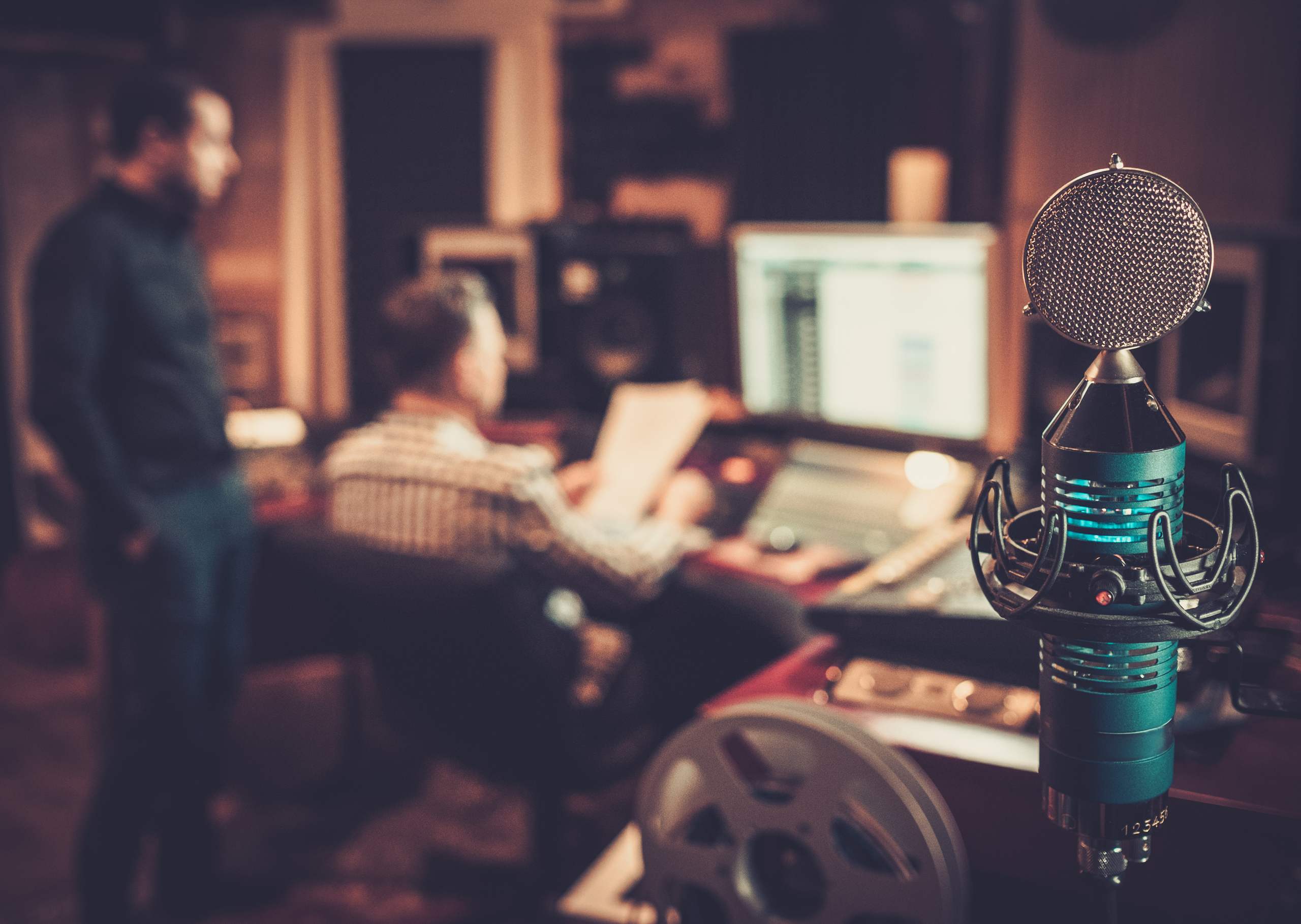
It helps to learn how to operate audio gear. Most aspiring voice actors will never work in a professional studio, but if you understand how to capture clean audio recordings, it will help your performance to be more effective.
The basics include microphone technique, how to eliminate ambient noises, and how to edit your work to get better results. With good audio quality, you will be able to give great performance without distractions. This is what will help you be professional.
Practice With Confidence
Confidence is one of the most critical aspects for voice actors. Most beginners have this issue of hesitancy or lack of assurance, which often leads them to not do their best performance.
The way to boost your confidence is by practicing, practicing, practicing! Record your voice and listen to yourself regularly to see where you need to improve. In time, recording your voice will become second nature, making it easier to sound confident and clear.
Research Professional Industry Standards
To get into this industry, it is important that you understand what the expectations and standards are for this position. This means having clear diction, consistent audio quality, and the ability to interpret direction.
One way to learn this is to watch professional voice actors and analyze their work. It will allow you to see their tone, speed, and other aspects that help define a successful dub.
Conclusion
If you want to become a professional voice actor, you should have a lot of patience and dedication. It will take you a lot of work and dedication to develop and improve your performance. By taking these steps, you will be on your way to a professional level of voice acting. Your voice could soon be the star of your creative work.